

 “People trust health care providers, public health officials, and Governor (Gretchen) Whitmer more than many other sources when it comes to communicating important messages about COVID-19,” says Melissa Riba, CHRT’s director of research and evaluation, in a new Crain’s Detroit Business article by senior health care journalist Jay Greene. “But an overwhelming majority (74 percent) of respondents to the survey also said they are worried that Michiganders are less safe because of misinformation being spread about COVID-19,” reports Greene, sharing findings from CHRT’s most recent Cover Michigan Survey.
Some 80 percent of survey respondents reported that the COVID-19 information source they trust in their own healthcare provider, but less than half of the respondents reported receiving COVID-19 information from their healthcare provider.
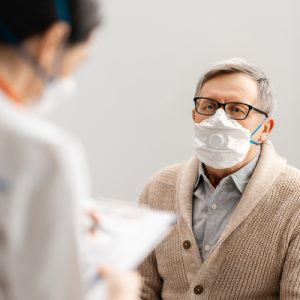
“The public trusts health care providers, but they aren’t getting enough information from them,” Marianne Udow-Phillips told Crain’s. “That is an opportunity for health care providers to become a leading source of trusted information.”
The problem reports Greene, is that doctors and other healthcare providers don’t often provide direct information to their patients, a practice that Udow-Phillips says should change. Doctors could speak authoritatively of the benefits of wearing masks in public, a practice that all experts now agree can contribute to reducing community spread, Udow-Phillips told Crain’s. “My own health care provider hasn’t contacted me, saying, ‘You should be wearing a mask,'” she said. ‘It could help if they heard from their own doctor.”
Researchers concluded that to combat COVID-19 it is critical for the public to trust the information they receive. “But the disconnect between high trust and simultaneous low use of information sources will challenge public policymakers and health practitioners, requiring diligence in selecting the messengers, channels, and platforms that resonate best with Michigan residents as the state moves into the next phase of pandemic response,” researchers said.
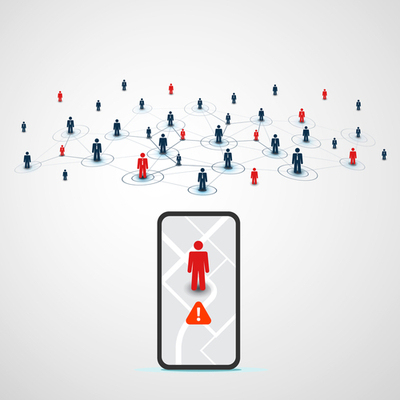
 “More than two-thirds of Michiganders in a new survey said they would be willing to participate in COVID-19 contact tracing activities that include sharing personal information, people they came into contact with, or reporting symptoms to state or local health departments,” writes Jay Greene for Crain’s Detroit. “But about half of respondents expressed concerns about the privacy of their personal health information, with 37 percent saying they would not participate in a contact tracing effort because of it.”
 “You’re living during an unprecedented coronavirus pandemic, and you just lost your employer-sponsored health insurance. What do you do?” writes Kristan Obeng in today’s Lansing State Journal. Obeng quotes
 Nursing homes that escaped the virus “took COVID-19 very seriously from day one,”
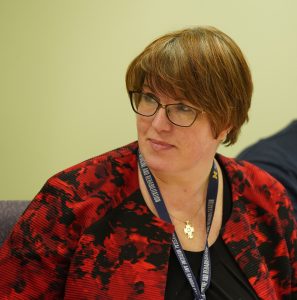 Michelle Meade, co-director of the Center for Disability Health and Wellness at U-M and one of CHRT’s 2020 health policy fellows, is in Bridge Magazine. “They care for Michigan’s most vulnerable; we should care for them,” writes Meade, referring to the caregivers who have shown up to support “the lives, health, and functioning of others” during the coronavirus pandemic and, in the process, “put their own health and lives at risk.”
 The
The 
 Beaumont announced it is in merger talks with Advocate Aurora Health, a major healthcare system in other parts of the Midwest says Hank Winchester, reporting for Click on Detroit.
 “By multiple measures, coronavirus COVID-19 has been particularly deadly in Michigan” reports Julie Mack in a recent MLive story. “Michigan’s high covid death rate equates to almost 10 percent of the state’s confirmed cases,” writes Mack. “That’s the highest percentage in the country.”

 In
In